DARDANEL -Çanakkaleliler Derneği e.V.
TRDEEN
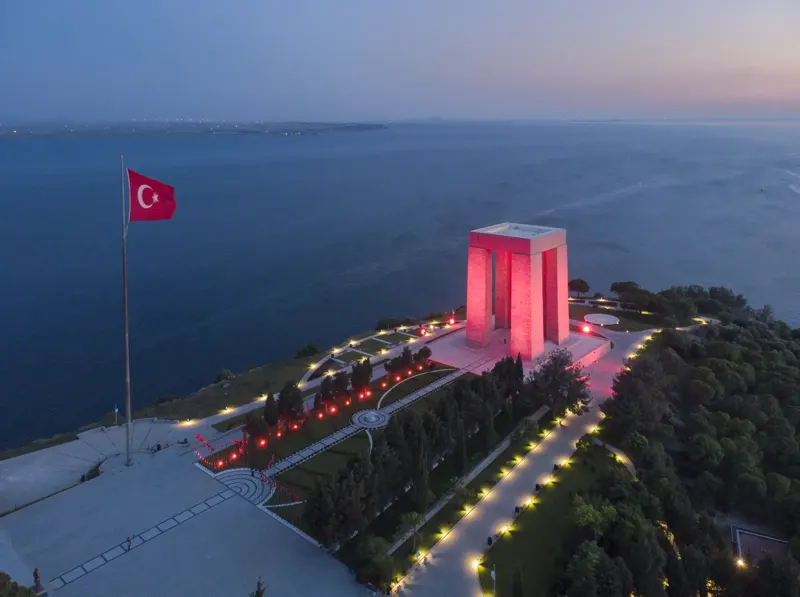
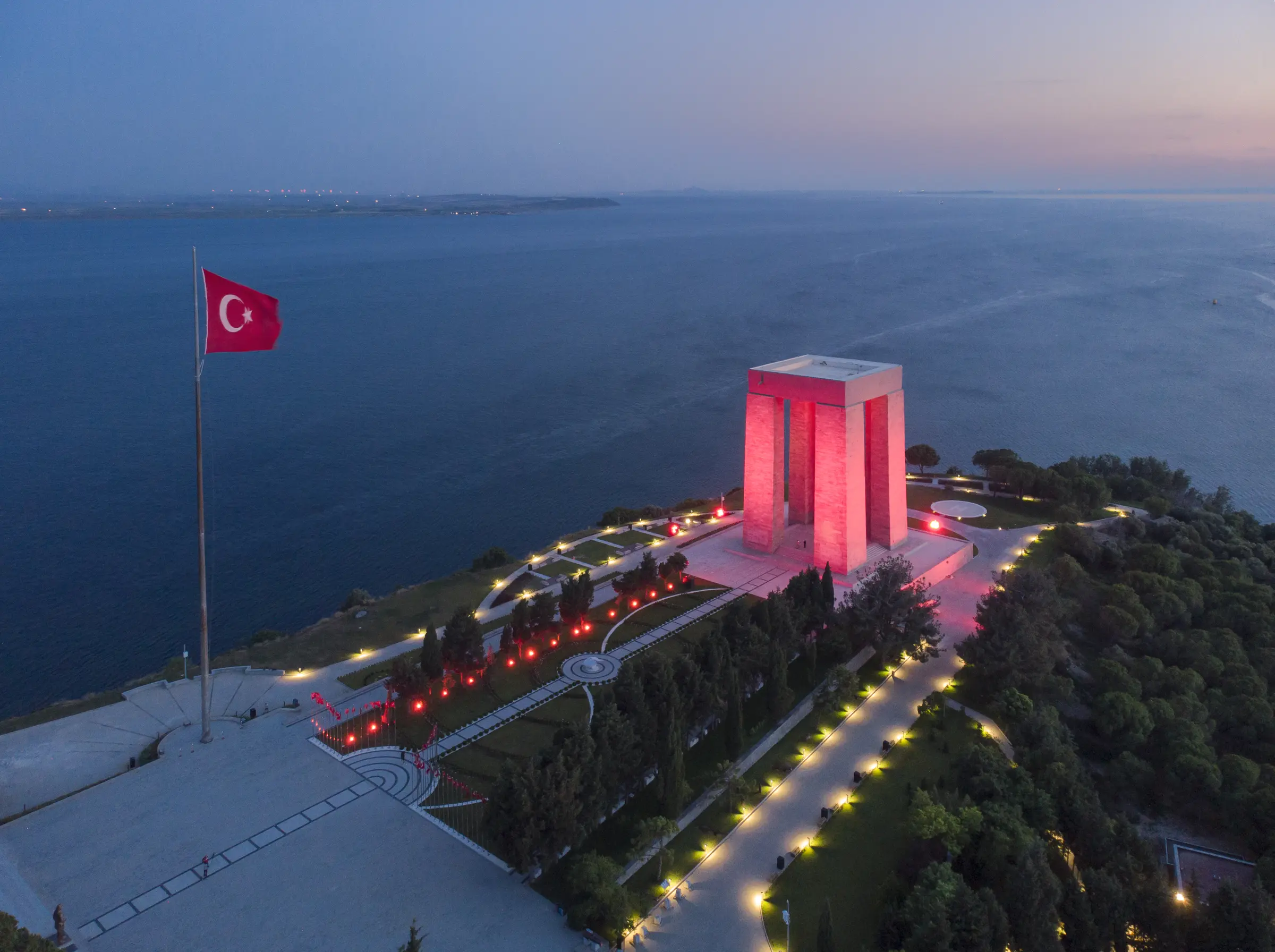
Martyrs’ Memorial and sea at dusk
ONE CITY. THOUSANDS OF STORIES.

Some shores
never forget.

From the stones of Troy to the quiet hills of Gallipoli. A journey between continents, through our shared memory.

SLOW DOWN. LISTEN TO THE STORY.40°03′ N · 26°13′ E
© Volcanicaaa · CC BY-SA 4.0
ÇANAKKALE / TÜRKİYE

Between two continents.
At the heart of memory.

The Dardanelles do more than separate two shores. They link the Aegean with the Sea of Marmara, and the past with the present. Armies crossed these waters, cities grew beside them, and lives changed. Today, the landscape invites remembrance and a shared commitment to peace.

ASIAEUROPE
DARDANEL

Our association

01 / Timeline

Follow the traces of time

More than five thousand years. Ten chapters. A shared memory.

CHAPTER 01 / 3000 BCE

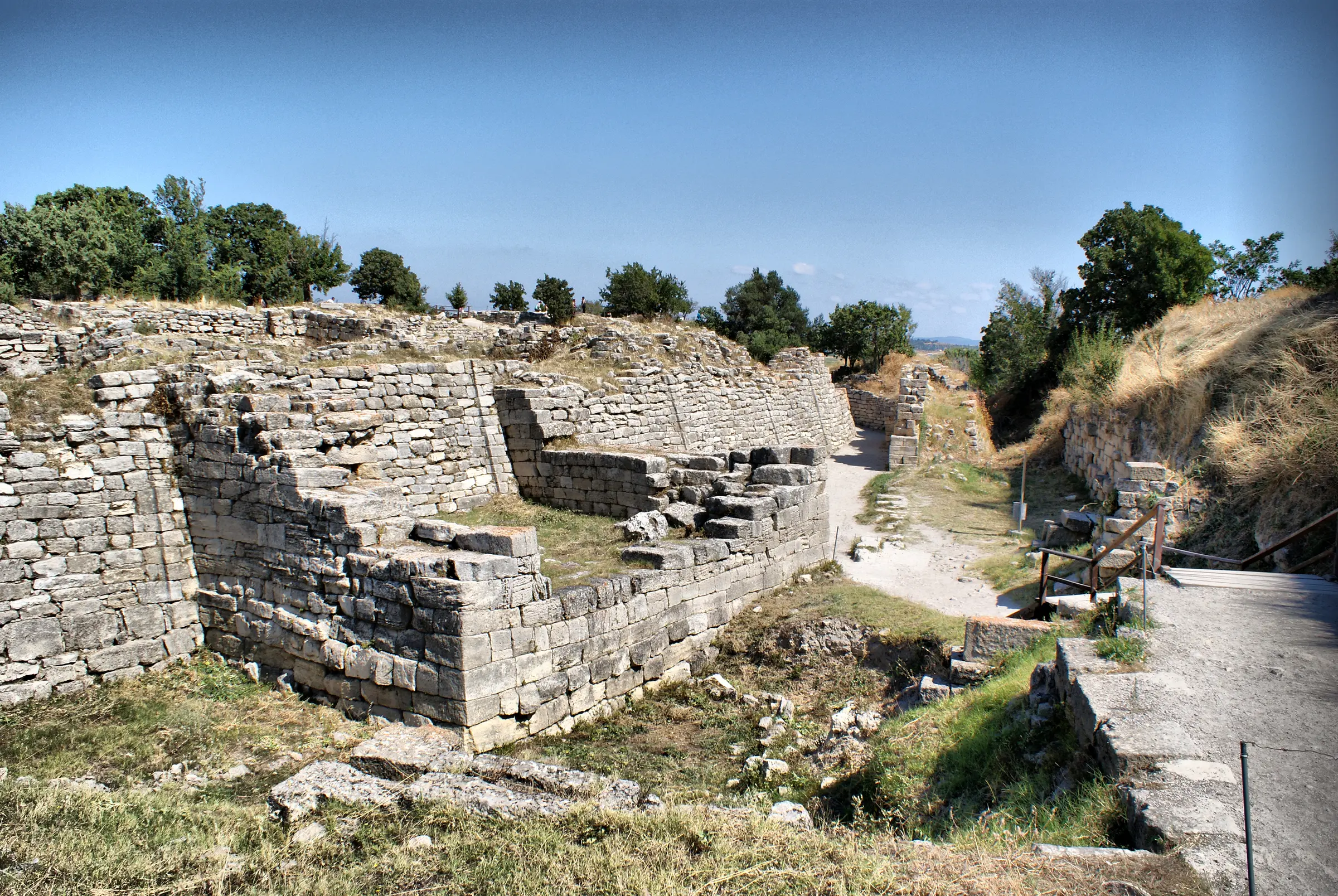
More than a legend

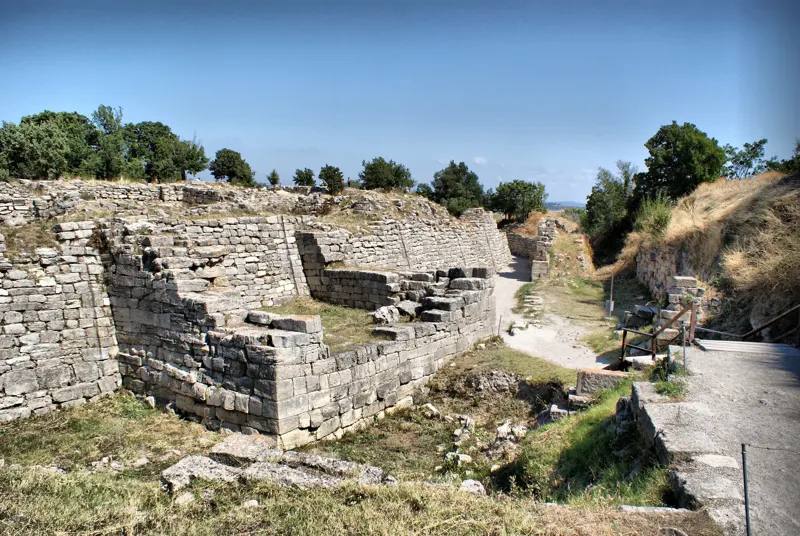
At Troy, you walk through lives layered upon other lives. Settlement reaches back to around 3000 BCE; walls, gateways and everyday objects reveal a place repeatedly rebuilt across the centuries. Homer’s poems carried its name far beyond the shores of the Aegean. Yet poetry and archaeology ask different questions: excavation does not establish every detail of the legendary war. Inscribed on UNESCO’s World Heritage List in 1998, Troy belongs both to the history of real communities and to the shared imagination of humanity. Among these stones, the past remains an invitation to wonder, and to look more closely.

Historical source
CHAPTER 02 / 480 / 334 BCE

Two shores, changing worlds

The ancient world knew these waters as the Hellespont. In 480 BCE, Xerxes ordered bridges of ships across the strait for his invasion of Greece. In 334 BCE, Alexander crossed in the opposite direction, into Asia. His victory at the Granicus became an early turning point in the campaign against the Persian Empire. Looking across today, the distance can seem modest. For those who crossed, it meant leaving familiar ground for an uncertain future. Beyond the names of rulers were thousands of individual journeys. This narrow stretch of water became a threshold on which the wider world repeatedly changed.

Historical source
CHAPTER 03 / 1462–1463

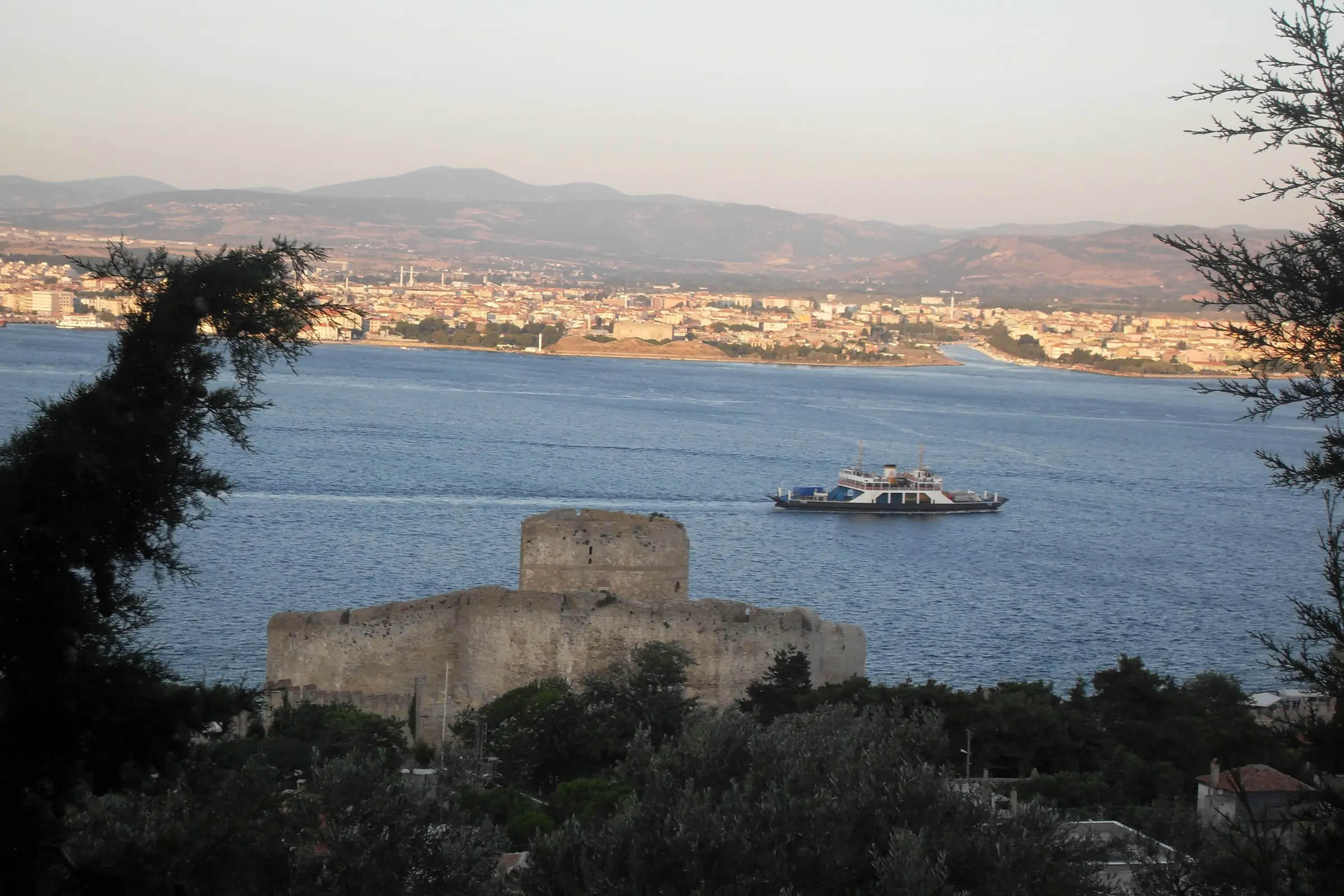
Guardians of the strait

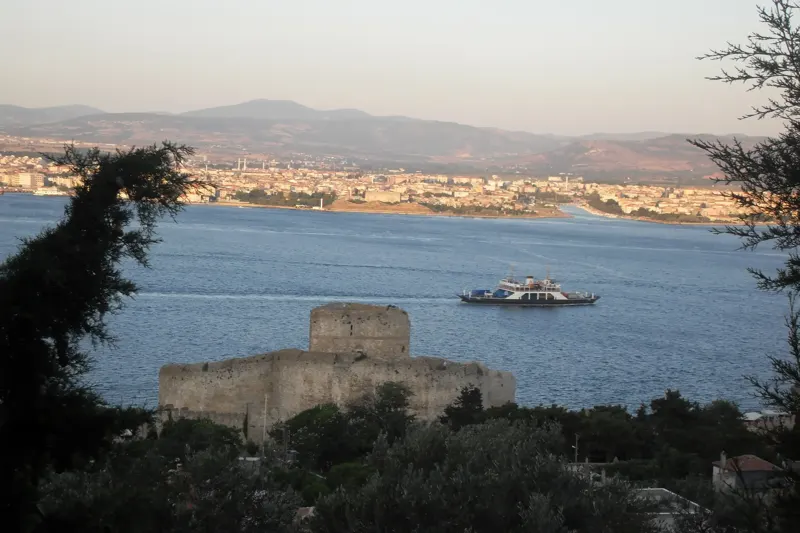
After the conquest of Constantinople, securing the strait acquired renewed importance for the Ottoman state. Commissioned by Mehmed II in the period 1462–1463, Kilitbahir and Çimenlik rose on opposite shores of the narrow passage. Their position expressed a practical idea: control of the crossing depended on watching the water from both sides. These walls speak of military power, but also of careful attention to landscape. Today, visitors move through courtyards once shaped by the routines of defence. With the opposite shore so close, the relationship between geography and history becomes tangible. The sea remains the thread connecting both fortresses.

Historical source
CHAPTER 04 / 18.03.1915

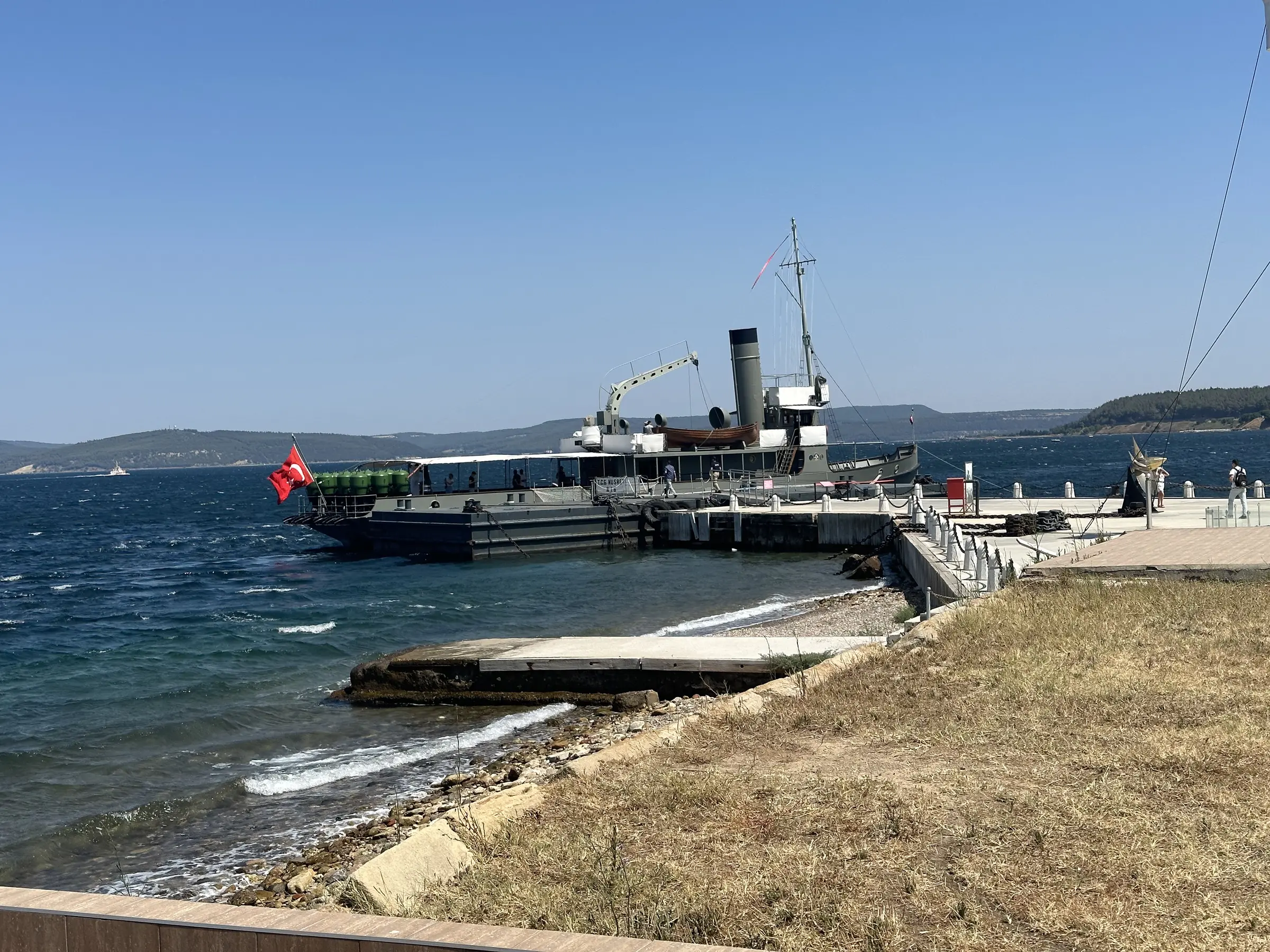
The strait holds firm

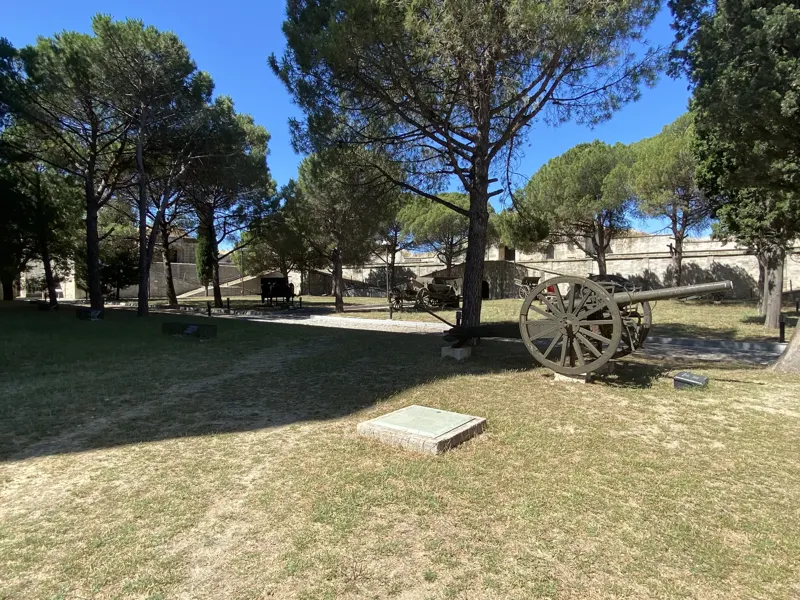
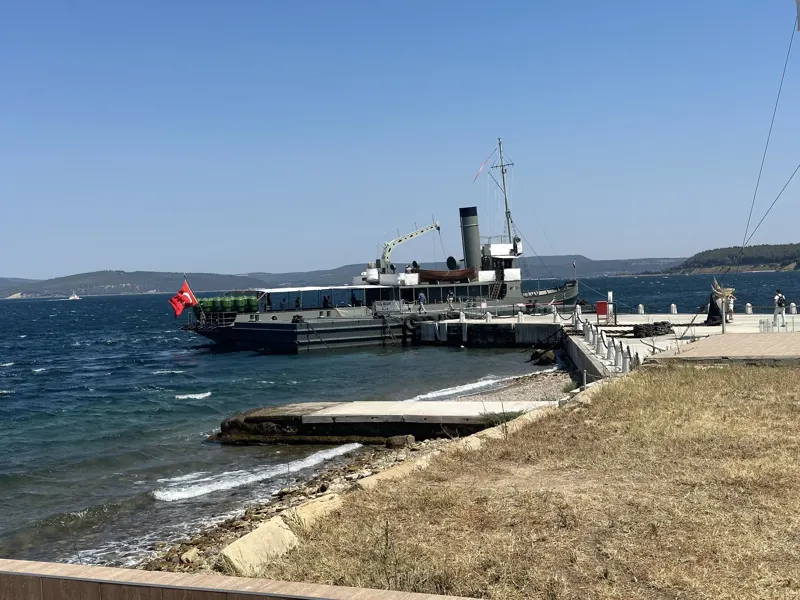
On 18 March 1915, British and French warships attempted to force a passage through the Dardanelles. Ottoman coastal guns and minefields worked together as a defensive system. Mines laid by Nusret in Erenköy Bay on the night of 7–8 March played a decisive part. By the end of the action, the Allied fleet withdrew after severe losses; the naval breakthrough had failed. This outcome belonged to more than a single ship or a single moment. Sailors, observers, gunners and supply crews all contributed. Remembering their achievement also means remembering the fear, pressure and human cost carried by those on both shores and at sea.

Historical source
CHAPTER 05 / 25.04.1915

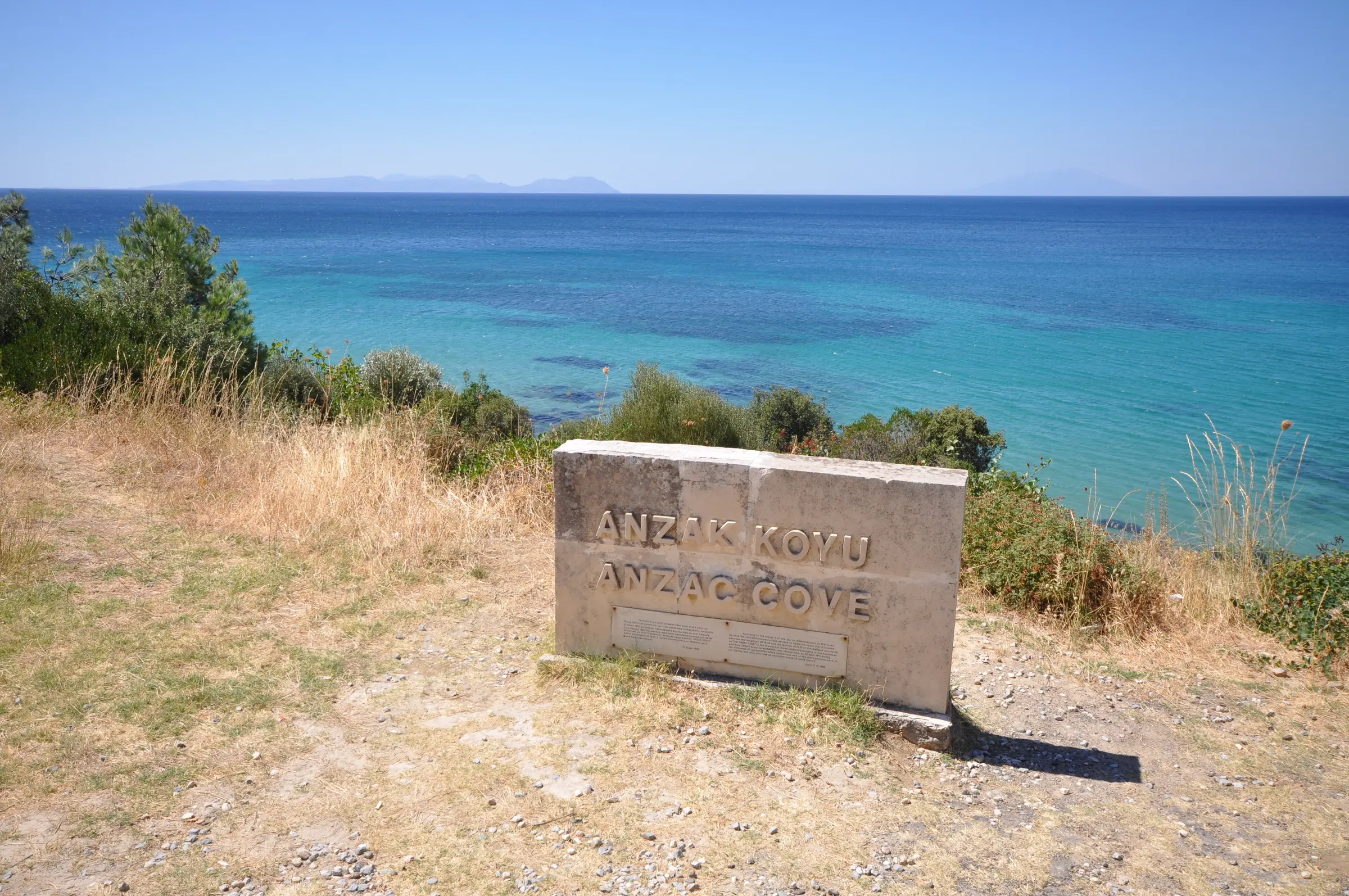
A shore changed at dawn

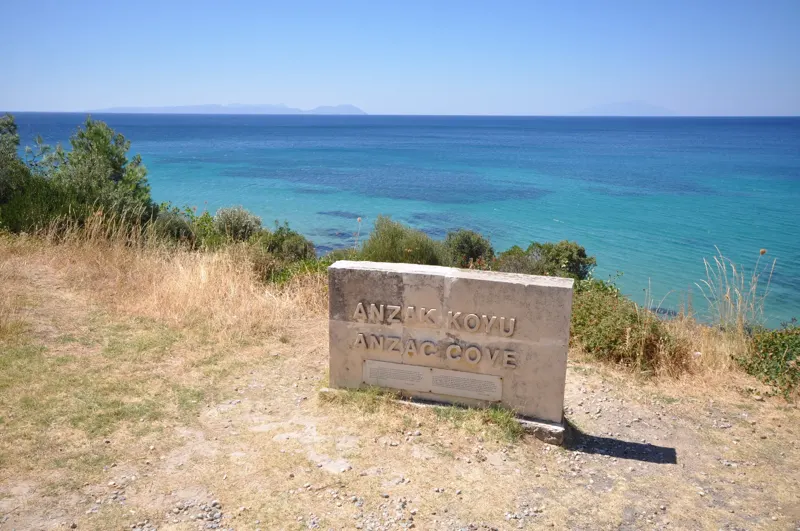
At dawn on 25 April, Allied troops began landing on the Gallipoli peninsula, around Cape Helles and at Arıburnu. The shore reached by Australian and New Zealand soldiers became known across the world as Anzac Cove. Narrow beaches and steep ridges shaped every movement inland. Ottoman resistance prevented a swift breakthrough, and the campaign developed into months of fighting. Standing on the beach today, the distance from water to hillside seems small. On that morning, each step carried uncertainty. This coastline asks us to remember more than an operation on a map: it holds the stories of people who entered the same war from very different worlds.

Historical source
CHAPTER 06 / 08.1915

Every ridge remembers

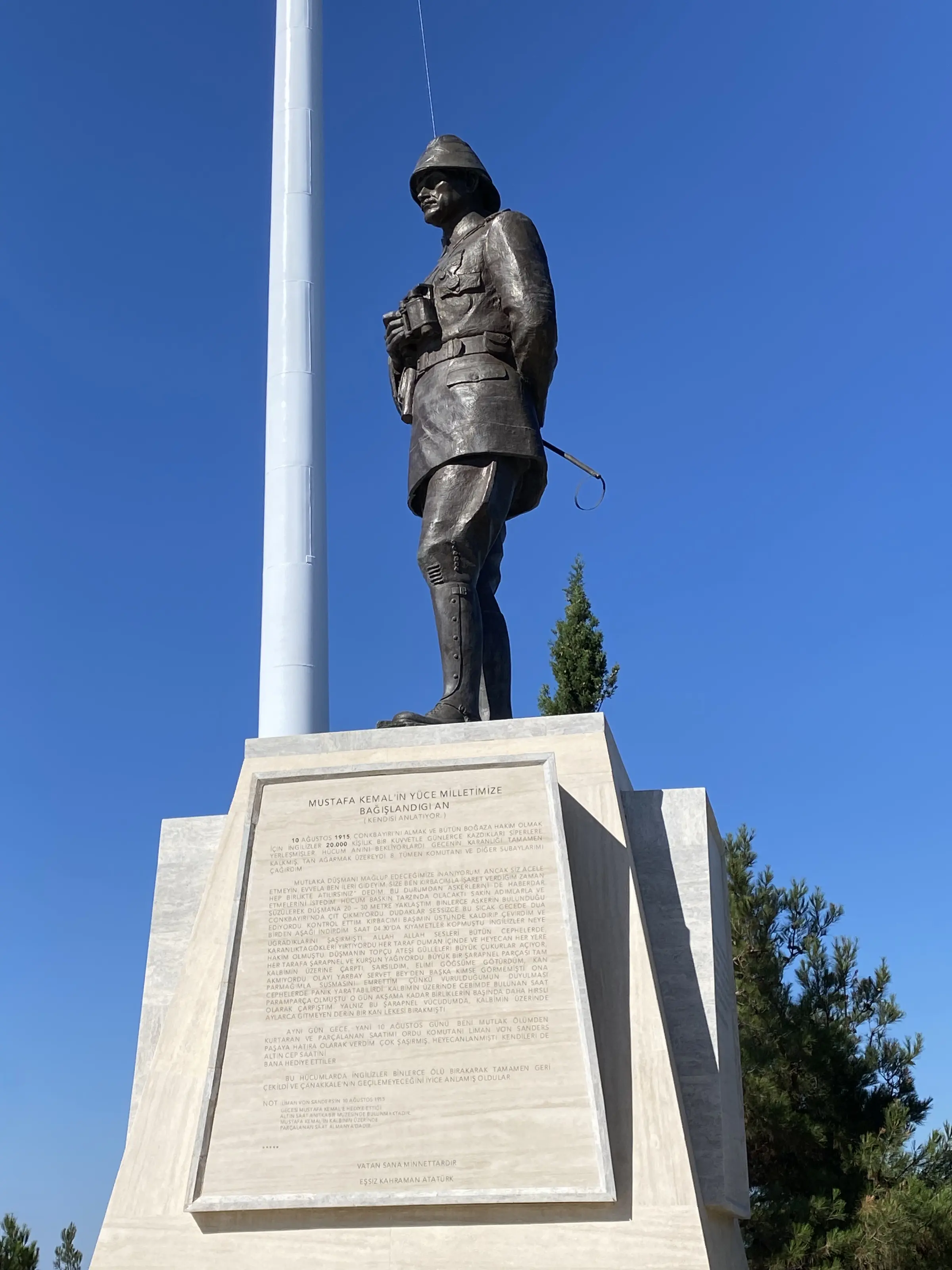
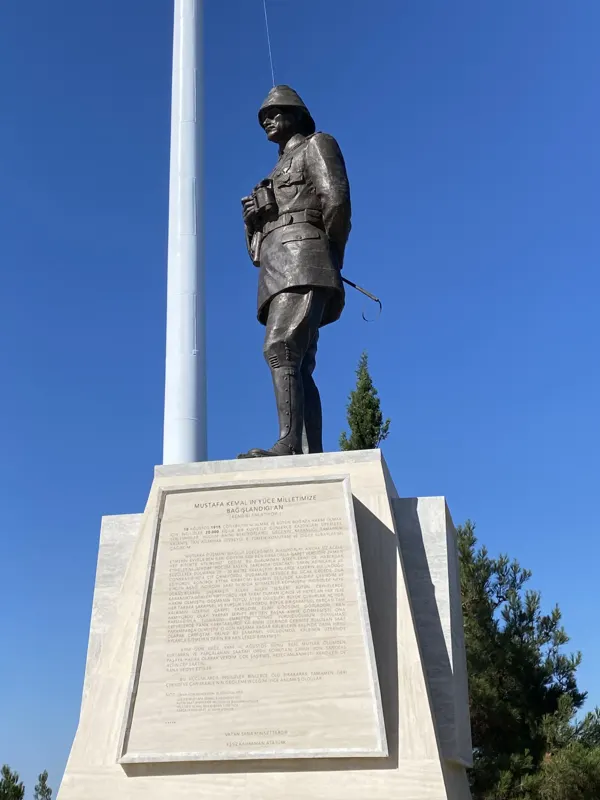
In August, the fighting intensified across a small and unforgiving landscape. Lone Pine, Chunuk Bair and the Anafartalar area became the setting for fierce attacks and counterattacks. Allied commanders were seeking a way out of the campaign’s deadlock. Mustafa Kemal held important command responsibilities in the Ottoman defence at Anafartalar and Conkbayırı. Australian, New Zealand, British and other soldiers also left their experiences within this landscape. On a modern map, the ridges appear as separate stops. On the ground, they recall waiting in trenches, carrying the wounded and losing companions. To honour courage here is also to acknowledge grief.

Historical source
CHAPTER 07 / 1915

The person behind the history

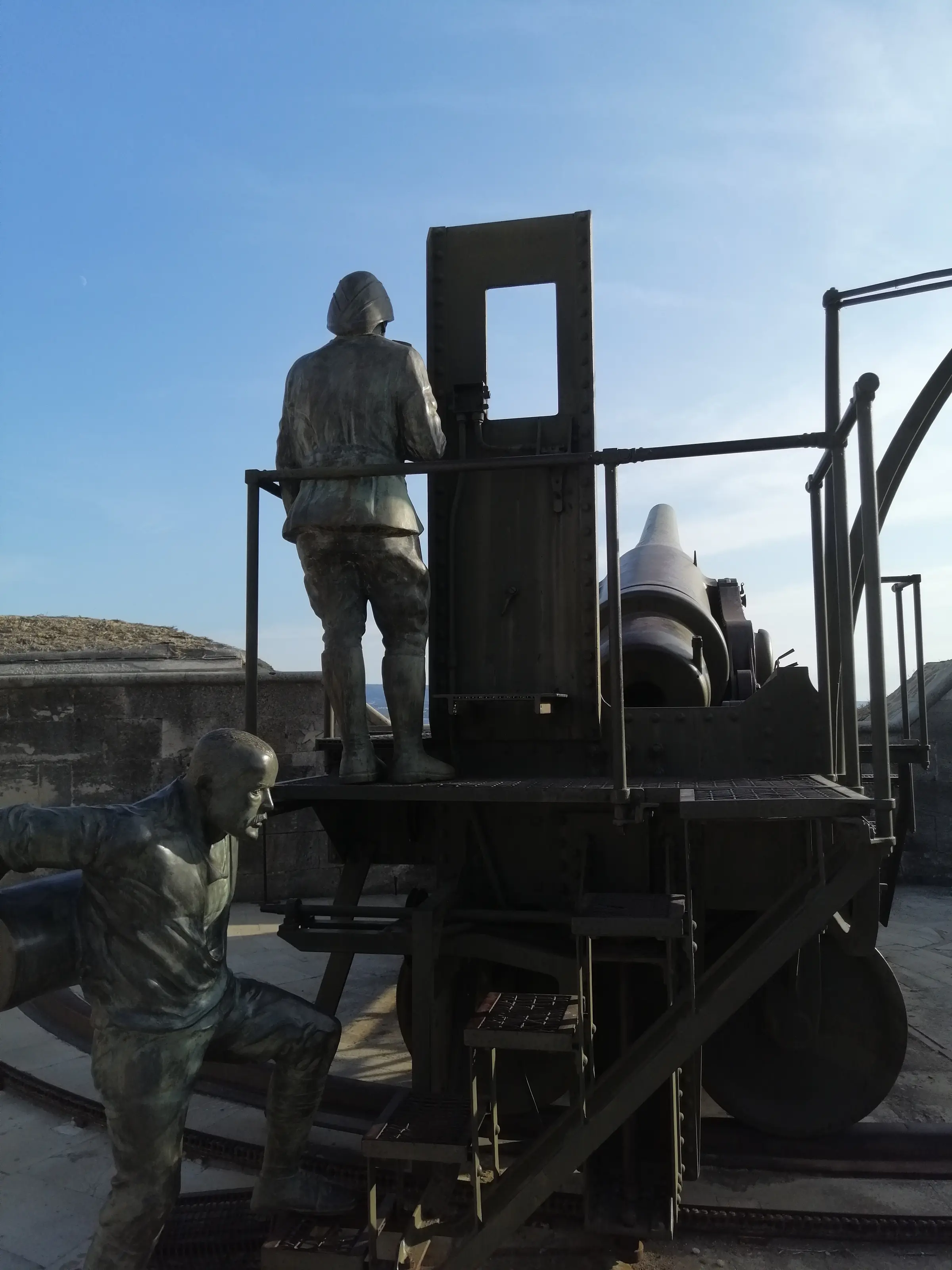
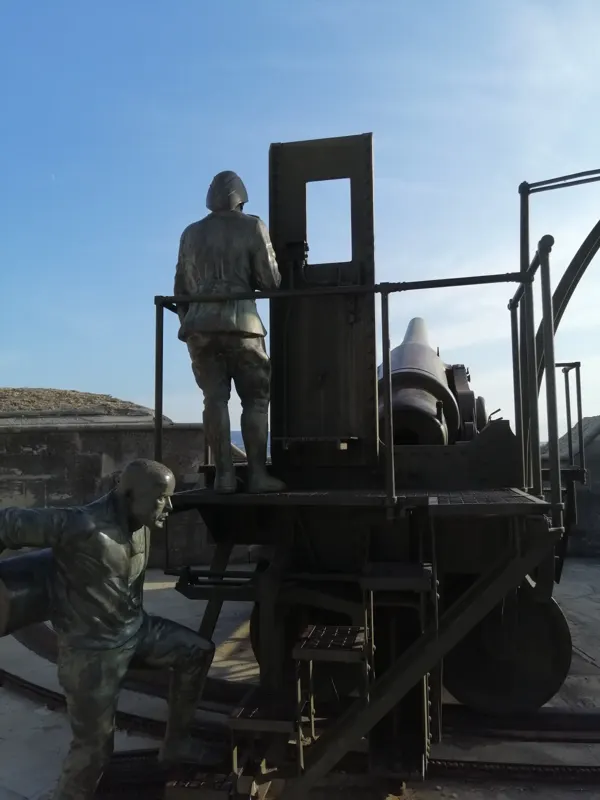
Seyit Onbaşı offers a human point of entry into the defence of the Dardanelles. An artilleryman from Havran, he is remembered for his service at the Rumeli Mecidiye battery and for carrying a heavy shell. The weight represented by his monument has come to signify responsibility as well as strength. Popular accounts differ over the shell’s precise weight and its connection to a ship’s sinking; those details are not presented here as settled facts. At the centre is an ordinary life caught in extraordinary circumstances. Remembering Seyit also creates space for the gunners, medical workers and sailors whose names are less familiar.

Historical source
CHAPTER 08 / 12.1915 – 01.1916

The silence left behind

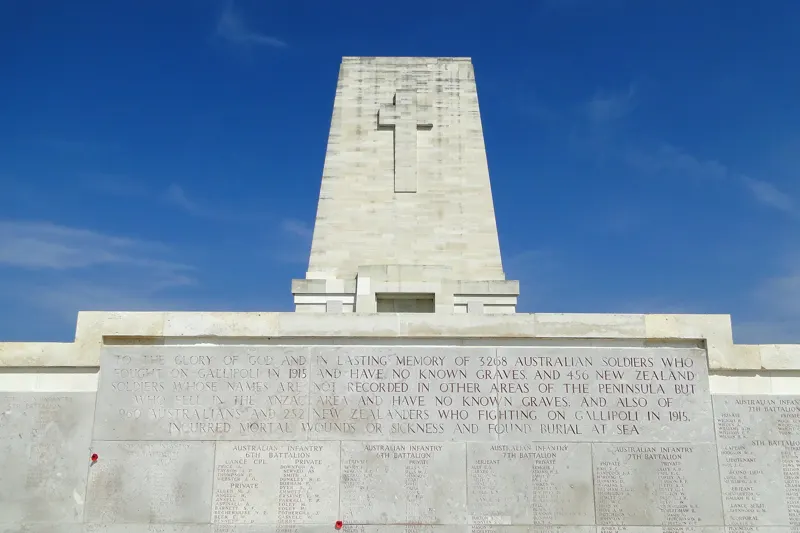
After months of fighting, the Allies decided to evacuate. The withdrawal from Anzac and Suvla was completed in December 1915; the last troops left Cape Helles on 9 January 1916. Trenches and graves remained, along with absences that families would carry for years. Ottoman defence had defeated the campaign, but the First World War continued on other fronts. Gallipoli was therefore not where the entire war ended: it was where a costly expedition came to a close. Keeping that distinction matters. The military outcome is clear, while the grief within this quiet landscape reaches beyond the boundaries between opposing sides.

Historical source
CHAPTER 09 / 1960 · 1973 · 2014

Remembrance makes room for peace

Opened in 1960, the Çanakkale Martyrs’ Memorial gives a visible place above the strait to the memory of fallen Ottoman soldiers. The peninsula received historic national park protection in 1973; a new historical area administration was established in 2014. Turkish memorials and the cemeteries of other nations now share the same landscape. Their inscriptions speak different languages, but ask something similar of visitors: to recognise the people behind the losses. Reading one name and walking quietly can be acts of remembrance. The possibility of reconciliation grows when honouring one’s own dead also leaves room for another family’s grief.

Historical source
CHAPTER 10 / 2018 · 2022 · ∞

A future shaped by memory

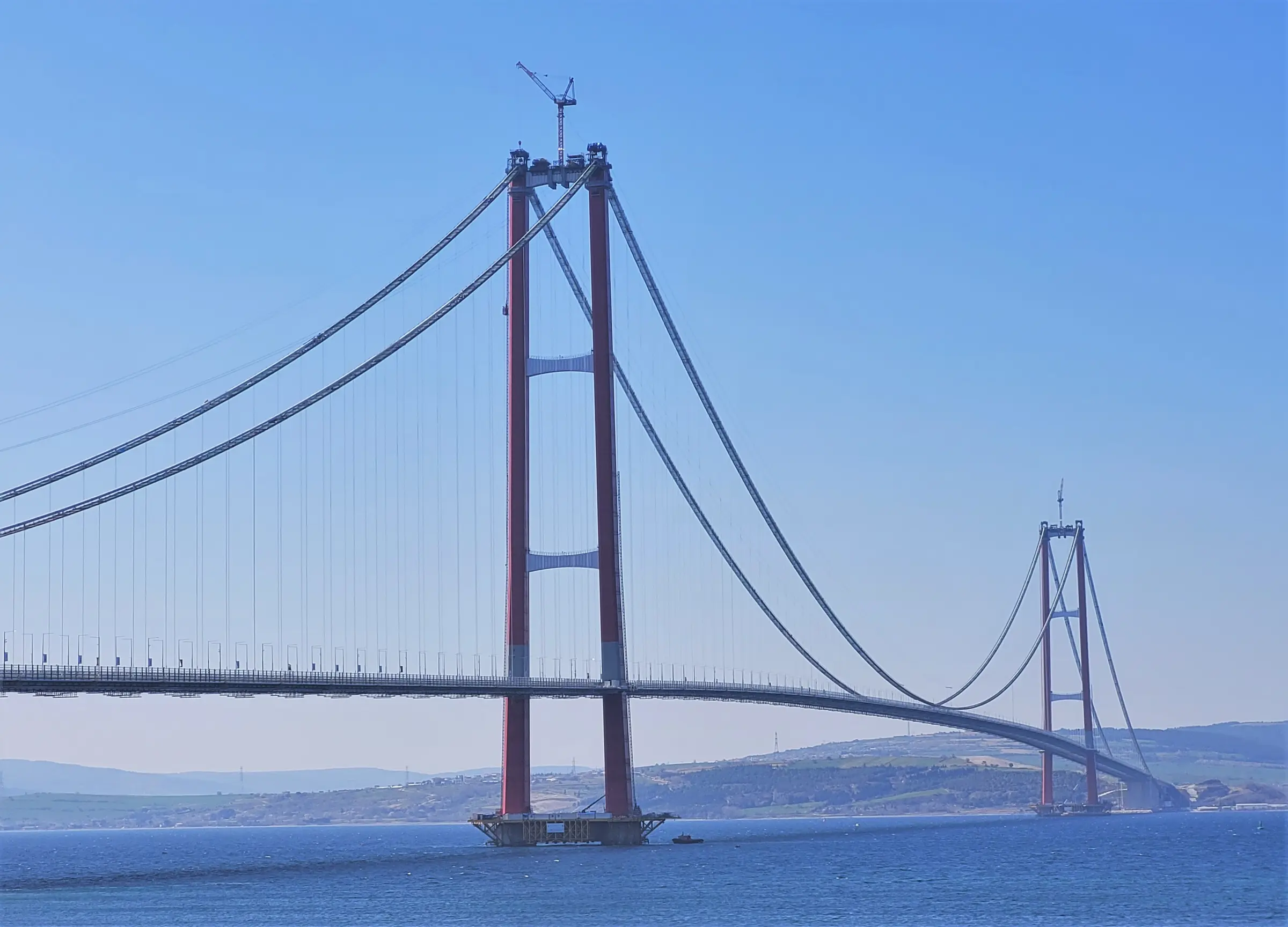
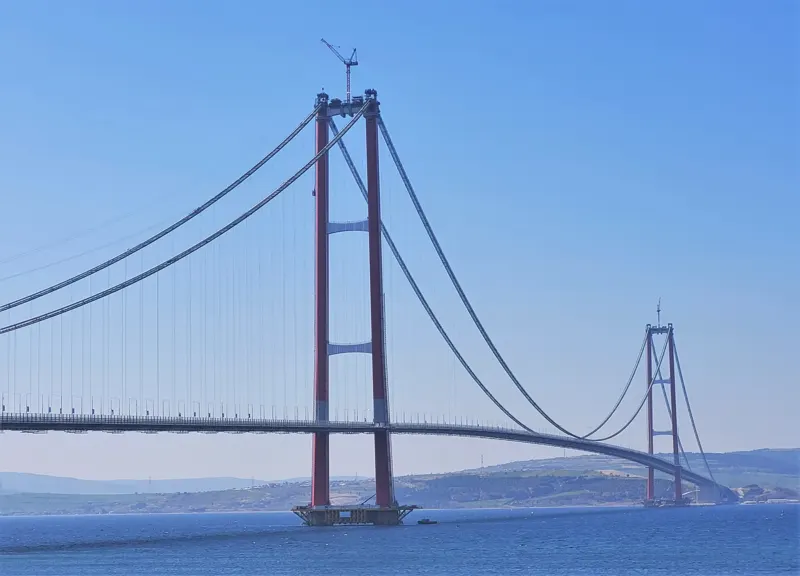
Çanakkale lives alongside its past without being confined to it. The Troy Museum, opened to visitors in 2018, presents archaeological heritage through a contemporary museum experience. The 1915 Çanakkale Bridge, inaugurated on 18 March 2022, created a new road connection between Europe and Asia. One invites us to look deeper into time; the other supports the journeys of the present. Between them is a living city of waterfront walks, harbour activity and everyday student life. A visit should leave more than the names of battles and rulers. It can also reveal how communities continue, and how memory travels forward with them.

Historical source
02 / GELİBOLU

Places to pause and remember

Make room for the stories held by these shores and hills.

04 / Journal

Notes from the shore

Short readings for a more thoughtful visit.

Martyrs’ Memorial and sea at dusk
Volcanicaaa · CC BY-SA 4.0
1960 · 1973 · 2014

Remembrance makes room for peace

Opened in 1960, the Çanakkale Martyrs’ Memorial gives a visible place above the strait to the memory of fallen Ottoman soldiers.

Read the story
05 / Events

Remembering together

Our association’s gatherings and the commemorative dates that keep shared memory alive.

From our association archiveMoers · DITIB mosque

Çanakkale Şehitlerini Anma Mevlidi

Far from home. Close in remembrance.

On 19 March 2017, DARDANEL - Çanakkaleliler Derneği e.V. held a mevlid, a religious memorial gathering, at a DITIB mosque in Moers in remembrance of the soldiers who fell at Çanakkale. Far from the strait, we came together to honour their memory. Distance may separate places; it need not separate us from those we remember.

To remember Çanakkale is to think of lives, not only dates. Of someone who never returned home. Of a place at the family table left empty. Of a future that could no longer unfold. Behind every name was a person loved by others, and behind every loss were people who had to carry on. Their memory asks for compassion as well as respect.

In Turkey, 18 March marks the remembrance of the fallen and the anniversary of the Çanakkale naval victory. Our gathering in Moers took place the following day. Our association had been officially founded on 18 March 2017, making this mevlid a meaningful part of the memories surrounding its beginnings.

For us, remembrance also carries a responsibility towards the next generation. We want to speak to our children about courage and sacrifice, and about the irreplaceable value of human life. Remembering the grief that war leaves in families on all sides strengthens our commitment to kindness, mutual respect and peace.

We honour the fallen of Çanakkale with gratitude, sorrow and respect. May they rest in God’s mercy. May their memory endure in the stories we pass on, and in the care we show one another today.

Historical background: Directorate of the Gallipoli Historical Area. Event information: DARDANEL association. About remembrance on 18 March ↗
Annual commemorations in Çanakkale

18MARCH

Remembrance of the fallen

ÇANAKKALE
25APRIL

Landings and ANZAC remembrance

ÇANAKKALE
10AUGUST

Anafartalar remembrance

ÇANAKKALE
View official programmes
06 / Plan your visit

Before you travel

A thoughtful visit starts with a little preparation.

01

Getting here

Plan the city on the Asian shore separately from the memorials on the European peninsula. Check ferry services and your bridge route before travelling.

02

Hours and tickets

Museum hours, fees and temporary closures can change. No fixed hours are promised here; confirm the latest official information.

03

Visit respectfully

Keep quiet in cemeteries, do not climb memorials, and stay on designated paths. Do not fly drones without permission. Ask ahead about step-free access.

Sources and image rights

Photos were resized and converted to WebP; display cropping may apply. Adaptations of CC BY-SA images retain the same licence.

JSON · Photo and licence

DARDANEL - Çanakkaleliler Derneği e.V.

Association address
Wintgensstrasse 130
47058 Duisburg · Germany
E-Mail
info@dardanel.de
Association register
Duisburg · VR 5833

Chair named on the letterhead: Orhan Ekinci

Editorial responsibility:
DARDANEL - Çanakkaleliler Derneği e.V.

Privacy

Responsible for this website:
DARDANEL - Çanakkaleliler Derneği e.V.
Wintgensstrasse 130, 47058 Duisburg
info@dardanel.de

The membership form only creates a text file on your device and sends no form data. This website uses no analytics tools, advertising cookies or embedded social media content. Images and fonts are served locally.

IONOS is the intended hosting provider for publication at www.dardanel.de. The hosting provider may process technical connection data when the website is accessed. The separate preview is subject to processing by its respective preview and sign-in services.

Facebook is included only as an external link. Facebook opens when you follow that link, and its provider’s privacy terms then apply. If you email us, we use your information to respond to your enquiry.